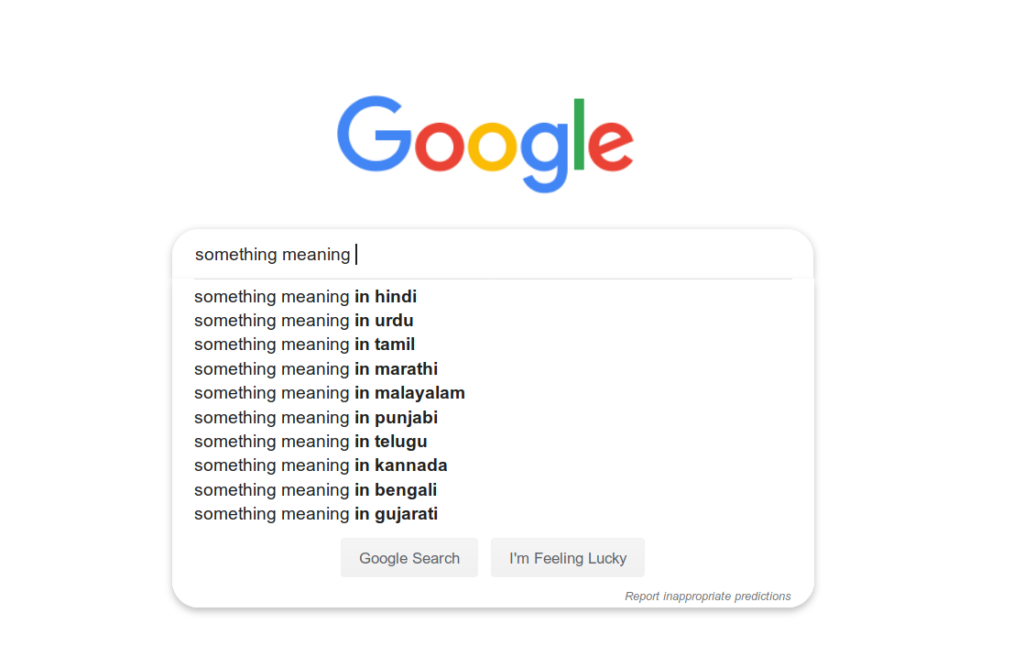

Understanding what triggers these spikes helps explain not only what people are searching for but also why they feel compelled to search right now.
When people see a phrase labeled “Just Searched,” it signals something different from a typical trending topic. It points to what people are actively typing into search engines at that very moment, often before headlines have fully formed or explanations are widely available. These searches capture raw curiosity in real time; questions people ask when something unexpected, confusing, or urgent happens.
Unlike curated trend lists that reflect sustained interest, “Just Searched” moments are often brief, intense, and emotionally driven. They appear when large numbers of people independently reach the same conclusion within minutes or hours.
What “Just Searched” Actually Reflects
“Just Searched” refers to sudden, short-term surges in search activity around a specific word, phrase, or question. These spikes often emerge before full context is available, which makes them especially revealing. They show what people are trying to understand, verify, or confirm in the earliest stages of awareness.
These searches tend to be incomplete or fragmentary. People search names without details, phrases without background, or questions without clear answers. This behavior reflects a moment of information imbalance; something has entered public awareness, but understanding has not yet caught up.
Because these searches happen independently and almost simultaneously, they offer a snapshot of collective curiosity. They show what people notice first, what confuses them, and what feels important enough to interrupt their current activity.
Explore What a Sudden Search Spike Usually Signals for how uncertainty drives rapid searching.
Why These Searches Appear So Suddenly
A real-world catalyst triggers most “Just Searched” spikes. Breaking news, viral videos, unexpected announcements, or sudden disruptions often spark immediate search behavior. In many cases, people search before they read articles, not after.
Social media plays a significant role in accelerating this process. A short clip, screenshot, or vague post can spread rapidly without explanation. Viewers then turn to search engines to fill in the missing context. This creates a surge that reflects confusion as much as interest.
Emotional response also matters. Shock, concern, disbelief, or urgency can all prompt immediate searching. When something feels off or significant, people instinctively seek clarity, even if they don’t yet know what question to ask.
Read Why Everyone Is Suddenly Searching This Phrase to see how fragments turn into curiosity.
The Difference Between Trending and “Just Searched”
Trending topics usually represent sustained attention over time. They are shaped by algorithms that highlight popularity across hours or days. “Just Searched,” by contrast, captures the earliest phase of attention, often before a topic becomes officially “trending.”
This makes “Just Searched” more volatile. Topics can rise and fall quickly once answers emerge or interest wanes. Others evolve into more extended conversations, spawning follow-up searches that deepen or redirect attention.
As a result, “Just Searched” data often reveals intent more clearly than traditional trends. It shows not just what people are talking about, but what they are unsure about.
Check Searches That Spike Every Time This Happens for patterns behind repeatable surge events.
What These Searches Reveal About Public Curiosity
“Just Searched” behavior highlights a gap between awareness and understanding. People sense that something matters, but they don’t yet know why. The questions they type reflect that uncertainty.
These searches often cluster around verification (“did this really happen”), explanation (“what does this mean”), or consequence (“what happens next”). They are less about opinion and more about orientation, and figuring out where things stand.
Over time, patterns emerge. Certain types of events reliably trigger the same kinds of questions. Watching these spikes helps decode how people process new information and how quickly narratives take shape.
Don’t miss What Today’s Searches Say About Tomorrow for insights on public curiosity.
Why “Just Searched” Matters Right Now
In an always-on information environment, search engines have become the first stop for making sense of the world. “Just Searched” moments capture the instant when curiosity turns into action.
They matter because they show what people are trying to understand before explanations solidify. For readers, recognizing these patterns helps separate signal from noise. For observers, they offer insight into how attention forms, spreads, and fades.
Ultimately, “Just Searched” isn’t just about what people are typing. It’s about what they’re trying to figure out in the moment between surprise and understanding.